
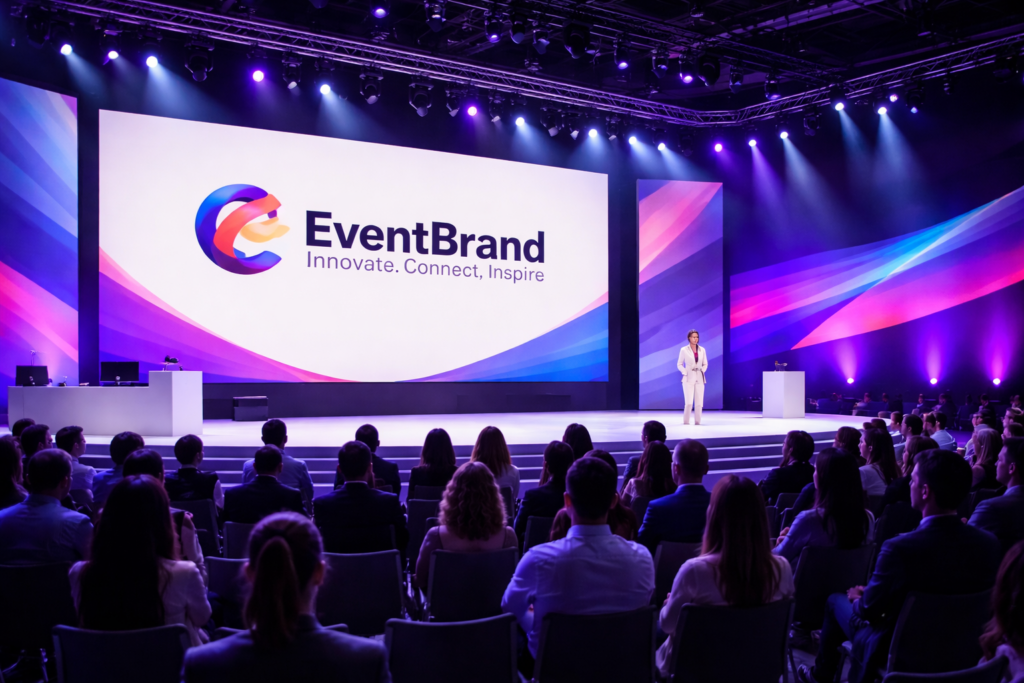
Introduction: Why Event Branding Matters
In today’s competitive event industry, strong event branding is no longer optional — it’s essential. Whether you’re planning a corporate conference, trade show, product launch, or festival, branding determines how your event looks, feels, and is remembered.
Event rbanding goes beyond logos and banners. It creates identity, builds emotional connection, and improves brand recall. When done correctly, it increases attendance, strengthens sponsor value, and improves event ROI.
Let’s explore simple, practical, and effective strategies you can use right away.
1. Define a Clear Event Brand Identity
The foundation of successful event branding is clarity.
Before designing anything, answer these questions:
- What is the purpose of the event?
- Who is the target audience?
- What emotions should attendees feel?
- What makes this event different?
Your event brand identity should include:
- Brand mission
- Core message
- Target audience profile
- Unique value proposition
When identity is clear, every design and marketing decision becomes easier.
2. Use Consistent Visual Branding Across All Platforms
Visual consistency is critical in event branding.
Your event branding should look the same across:
- Website
- Registration pages
- Social media
- Email campaigns
- Event app
- On-site signage
- Stage design
- Merchandise
Key Visual Elements:
- Logo
- Color palette
- Typography
- Graphic style
- Photography style
Consistency builds trust. When attendees see the same branding everywhere, they recognize and remember your event more easily.
3. Create a Strong Event Logo and Theme
A well-designed logo and theme make your event stand out.
Your event theme should:
- Reflect the event purpose
- Be easy to understand
- Inspire curiosity
- Connect emotionally
For example:
- Innovation events → futuristic design
- Sustainability events → natural colors
- Luxury events → minimal and elegant visuals
Strong themes strengthen event rbanding by creating a unified look and feel.
4. Develop a Memorable Event Tagline
A tagline supports your event branding message.
It should be:
- Short
- Clear
- Action-driven
- Easy to remember
Examples:
- “Where Innovation Meets Opportunity”
- “Connect. Learn. Grow.”
- “Experience the Future”
A good tagline increases brand recall and marketing effectiveness.
5. Design an Immersive On-Site Experience
Event rbanding is not just visual — it’s experiential.
Make your event immersive through:
- Branded entrance areas
- Custom stage backdrops
- Interactive installations
- Branded photo booths
- Themed décor
When attendees walk into your event, they should instantly feel the brand.
This strengthens emotional connection and increases social sharing.
6. Leverage Social Media for Event branding
Digital presence is part of modern event rbanding.
Create:
- A unique event hashtag
- Branded social media templates
- Countdown posts
- Speaker announcement graphics
- Live story coverage
Encourage attendees to share their experiences using your hashtag. Display live social feeds at the venue.
This increases:
- Online visibility
- Brand awareness
- Audience engagement
- Post-event momentum
7. Align Sponsors with Your Brand Identity
Sponsors should enhance your event rbanding — not weaken it.
Choose sponsors that:
- Match your event values
- Target similar audiences
- Complement your theme
Provide sponsor branding guidelines to maintain visual harmony.
Strong alignment increases credibility and improves long-term partnerships.
8. Tell a Clear Brand Story Throughout the Event
Storytelling makes event rbanding powerful.
Your story should flow from:
- Pre-event marketing
- Opening ceremony
- Speaker sessions
- Closing remarks
- Post-event follow-up
A clear narrative helps attendees feel connected. When people feel part of something bigger, they remember it longer.
9. Measure the Success of Your Event branding
To improve future events, measure branding performance.
Track:
- Social media mentions
- Hashtag engagement
- Website traffic
- Brand recall surveys
- Repeat registrations
- Net Promoter Score (NPS)
Strong event rbanding leads to:
- Higher attendee satisfaction
- Increased loyalty
- Better word-of-mouth marketing
- Stronger long-term growth
Common Event Branding Mistakes to Avoid
Avoid these errors:
- Inconsistent design
- Too many sponsor logos
- No clear theme
- Weak messaging
- Ignoring digital branding
- Starting branding too late
Strategic planning prevents these issues.
Frequently Asked Questions (FAQs)
1. What is event rbanding?
Event rbanding is the strategic process of creating a clear identity, visual style, and emotional experience for an event.
2. Why is event Branding important?
It increases brand recognition, improves attendee engagement, and boosts event ROI.
3. How early should I plan event Branding?
Ideally, 6–12 months before the event to ensure consistency across all channels.
4. Does event branding help attract sponsors?
Yes. Strong branding makes your event more professional and appealing to sponsors.
5. Can small events benefit from event branding?
Absolutely. Even small events gain credibility and memorability through clear branding.
6. How does event branding improve marketing results?
It strengthens brand recall, increases social sharing, and improves audience loyalty.
Conclusion
In today’s experience-driven market, event success depends heavily on strong branding. Strategic event branding builds recognition, creates emotional impact, and turns ordinary gatherings into unforgettable experiences.
By focusing on identity, visual consistency, storytelling, digital presence, and measurement, you can create events that not only attract attention but also leave a lasting impression.
Great events don’t just happen — they are intentionally branded.