
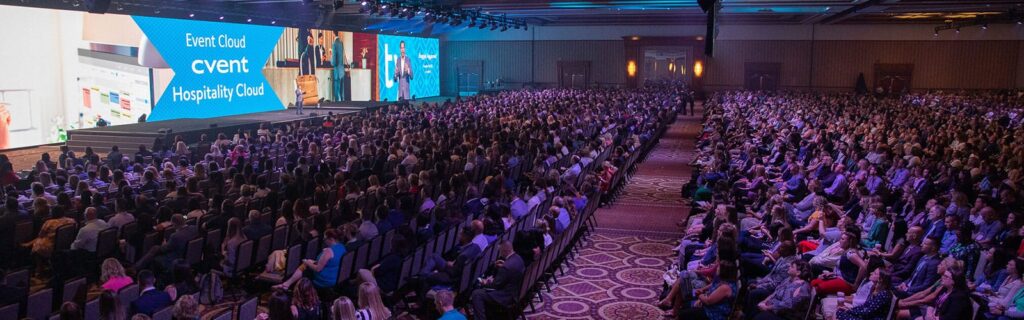
Corporate events are entering a new era, driven by rapid advances in artificial intelligence. What once required weeks of manual planning and guesswork is now becoming smarter, faster, and more precise. In 2026, AI is no longer an experimental add-on—it is a core driver of how corporate events are designed, delivered, and measured. Organizations that adopt AI-powered solutions are gaining a clear advantage in engagement, efficiency, and return on investment.
One of the most significant ways AI is transforming corporate events is through smarter planning and decision-making. AI tools can analyze historical event data, attendee behavior, and real-time inputs to recommend ideal venues, schedules, and session formats. This reduces planning errors and helps organizers allocate budgets and resources more effectively. For corporate events with tight timelines and high expectations, AI-driven insights remove much of the uncertainty from the planning process.
Personalization has also become a defining trend in corporate events, and AI is making it scalable. Instead of offering one-size-fits-all agendas, AI-powered event platforms tailor experiences to individual attendees. Based on job roles, interests, and past behavior, attendees receive personalized session recommendations, networking suggestions, and content updates. This level of customization improves satisfaction and ensures corporate events feel relevant and valuable to every participant.
Networking, a key reason people attend corporate events, is being reshaped by AI as well. Intelligent matchmaking tools analyze profiles and engagement patterns to connect attendees with the most relevant peers, speakers, or exhibitors. Rather than leaving connections to chance, AI facilitates purposeful interactions that lead to stronger professional relationships and better business outcomes. In 2026, meaningful networking is no longer random—it’s data-driven.
During live corporate events, AI is enhancing engagement and responsiveness. AI-powered chatbots and virtual assistants provide instant support, answer questions, and guide attendees throughout the event. At the same time, sentiment analysis tools monitor audience reactions through polls, chats, and feedback, allowing organizers to adjust content or pacing in real time. This responsiveness helps corporate events remain dynamic and attendee-focused instead of rigid and scripted.
Hybrid and virtual corporate events are also benefiting greatly from AI innovation. AI helps balance the experience between in-person and remote attendees by tracking engagement levels and recommending adjustments to content delivery. Features such as automated captions, language translation, and smart camera switching make corporate events more inclusive and accessible to global audiences. As hybrid formats continue to grow, AI ensures consistency and quality across all touchpoints.
Measuring success has always been a challenge for corporate events, and AI is changing that narrative. Advanced analytics and predictive modeling allow organizers to track engagement, predict outcomes, and clearly demonstrate ROI. Instead of relying solely on post-event surveys, AI aggregates data from multiple sources to provide actionable insights. This makes corporate events more accountable and aligned with broader business objectives.
Looking ahead, AI will continue to push corporate events toward greater efficiency, intelligence, and impact. As expectations rise in 2026, attendees will increasingly expect seamless experiences, personalized journeys, and meaningful connections. Organizations that embrace AI-driven strategies will not only meet these expectations but set new standards for what corporate events can achieve. The future of corporate events is smart, adaptive, and powered by AI—and that future has already begun.
Frequently Asked Questions (FAQs)
1. Why are corporate events important for businesses?
Corporate events strengthen relationships, improve engagement, and support branding and growth objectives.
2. What types of corporate events can Watermark Event Solutions manage?
They manage conferences, meetings, product launches, team-building events, and more.
3. How do corporate events support employee engagement?
They foster communication, recognition, collaboration, and alignment with company goals.
4. Are hybrid corporate events effective?
Yes. Hybrid corporate events expand reach while maintaining engagement for both in-person and virtual audiences.
5. How is success measured in corporate events?
Through attendance data, engagement levels, feedback, and alignment with business objectives.
6. Can corporate events be customized for specific industries?
Absolutely. Corporate events are most effective when tailored to industry needs and audience expectations.